
Tokyo Story
| Director | Yasujirō Ozu |
| Writer | Kōgo Noda, Yasujirō Ozu |
| Cinematography | Yūharu Atsuta |
| Music | Takanobu Saitō |
| Cast | Chishū Ryū, Chieko Higashiyama, Sō Yamamura, Setsuko Hara, Haruko Sugimura |
An elderly couple travel from Onomichi to Tokyo to visit their children, who are too busy to look after them. Only Noriko, the widow of their son killed in the war, gives them her time and affection.
| Copy | Complete · 137 of 137 min |
| Quality | HD |
| Version | Japanese · With subtitles |
| Checked | 08/24/2026 |
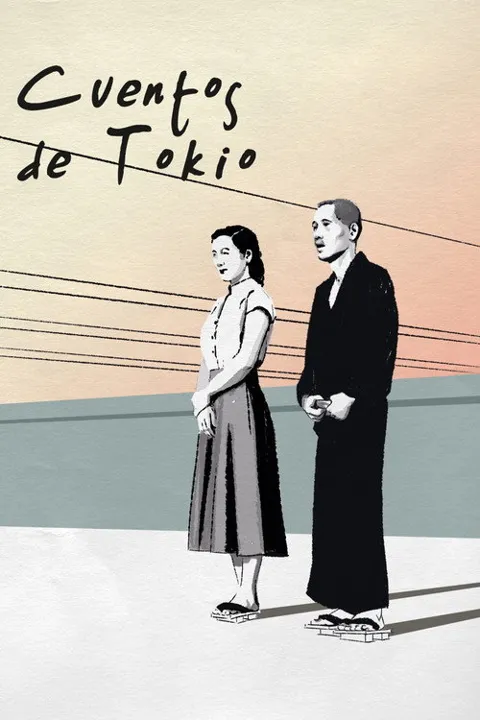
Pros
- Top film in Sight & Sound's 2012 directors' poll, and third for critics.
- 100% on Rotten Tomatoes and 100 out of 100 on Metacritic.
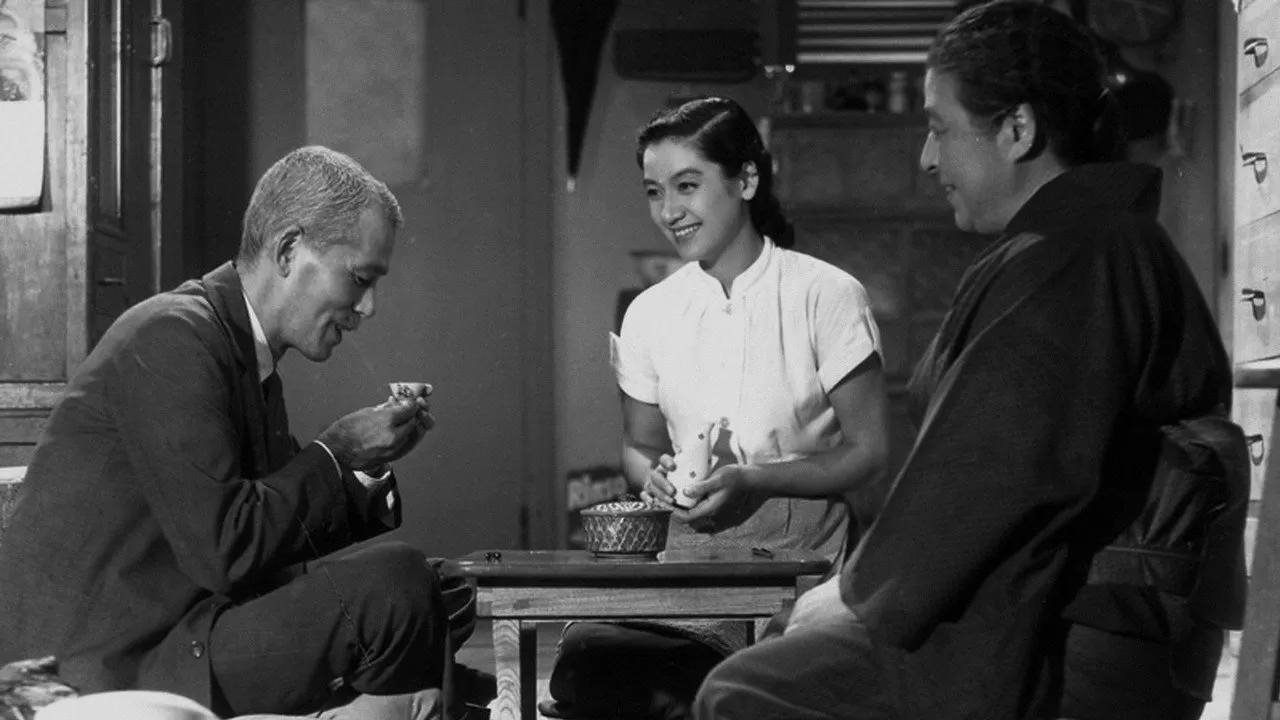
- Ozu's low, still camera, at the height of someone sitting on a tatami, creates a unique intimacy.
- Kinema Junpo named it the greatest Japanese film ever in 2009.
Cons
- Its gentle pace and almost always static camera ask for patience.
- In the US it went almost unnoticed until a 1972 New York screening, nearly twenty years later.
What the critics said
«Like a Japanese paper flower that is dropped into water and then swells to fill the entire container with its beauty.»
Charles Michener · Newsweek · Source ↗
An image that captures how emotion builds in the film.
«Tokyo Story is a Yasujiro Ozu masterpiece whose rewarding complexity has lost none of its power more than half a century on.»
Rotten Tomatoes · consenso de la crítica · Source ↗
Total unanimity: no negative reviews on record.
Famous quotes
«Isn't life disappointing?»
Kyōko · PlayPhrase ↗ · QuoDB ↗
«But if I had known things would come to this, I'd have been kinder to her while she was alive.»
Shūkichi · PlayPhrase ↗ · QuoDB ↗
«I'm afraid we expect too much of our children.»
Sanpei Numata · PlayPhrase ↗ · QuoDB ↗
«Anyway, this place is meant for the younger generation.»
Shūkichi · PlayPhrase ↗ · QuoDB ↗
Quotes: Wikiquote (CC BY-SA)
Famous scenes
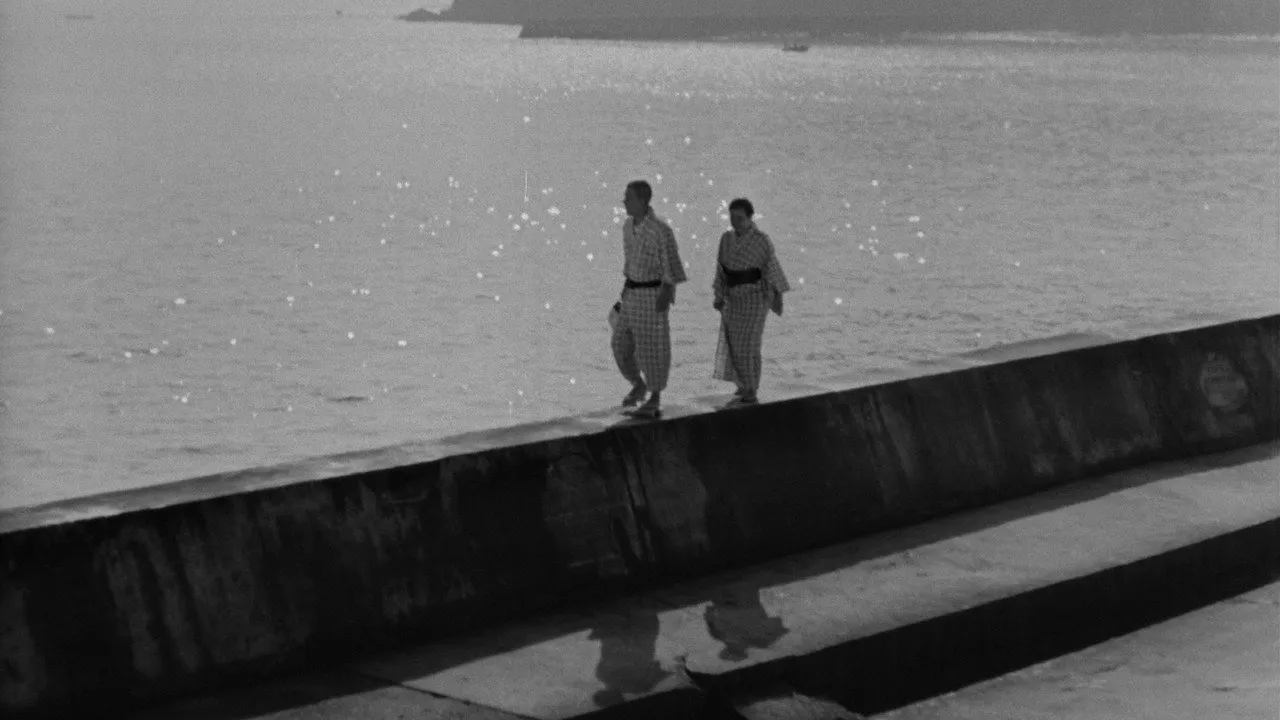
The children pay for their parents' stay at a spa to get them out of the way, but the nightlife sends them back early.
The widowed daughter-in-law is the only one who takes time off work to show them Tokyo.
Shige claims a keepsake of her mother at the meal, as Kyōko looks on.
Gallery

Stills: TMDb
True or false?
Tokyo Story was inspired by an American film.
Connections in the catalog
In the great lists
| Sight & Sound · directors (2012 / 2022) | 1st / 4th |
| Sight & Sound · critics (2012 / 2022) | 3rd / 4th |
| Kinema Junpo · greatest Japanese film (2009) | 1st |
| BBC · 100 greatest foreign-language films (2018) | 3rd |
| Time · All-Time 100 Movies | Included |
A favorite of
| Martin Scorsese | In his 39 essential foreign films for a young filmmaker · Source ↗ |
Technical details and shooting
| Image | Black and white |
| Languages | English, Japanese |
| Release | 3 November 1953 in Japan |
| Camera | Low and almost still; per Ebert, it moves only once |
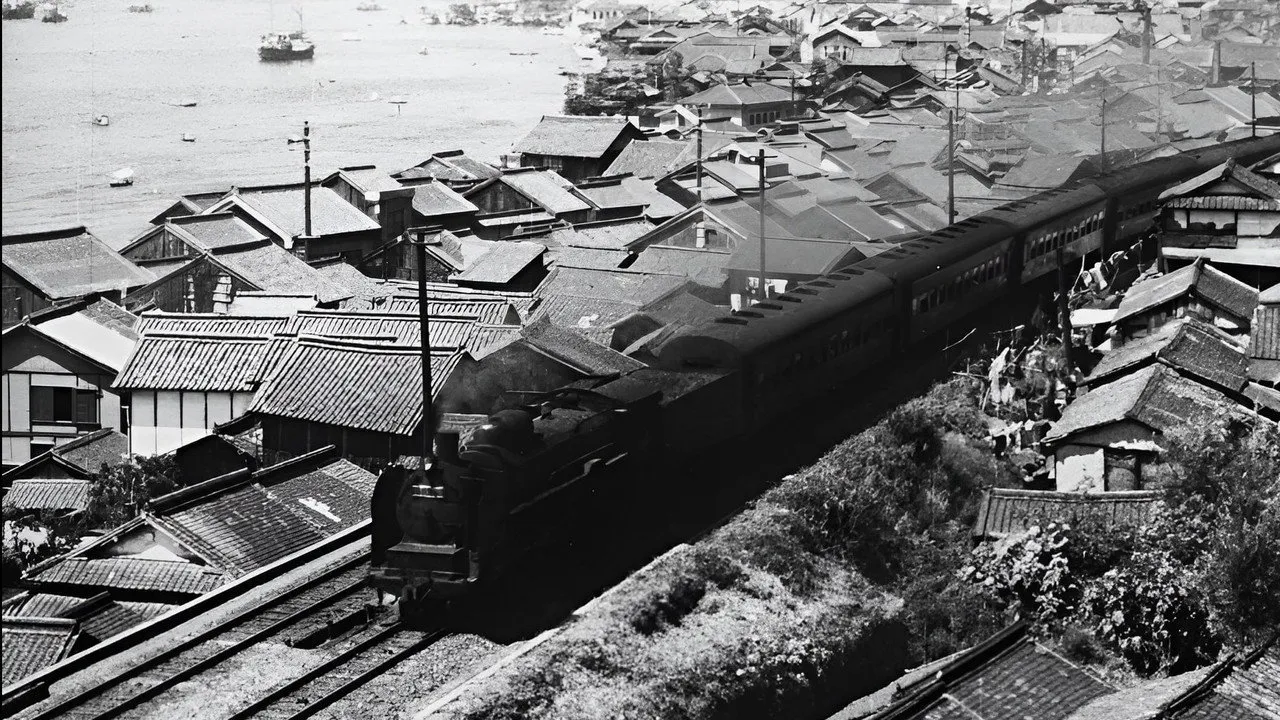
| Shooting | Onomichi and Tokyo; only Ryū, Hara and Kagawa shot in Onomichi |
| Inspiration | Make Way for Tomorrow (Leo McCarey, 1937) |
Wikipedia (EN) · Wikipedia (ES) · Wikiquote · Wikidata · IMDb · TMDb
Analysis prepared with AI assistance from these sources. Quotes are checked word for word against the original text. How we build these pages →