
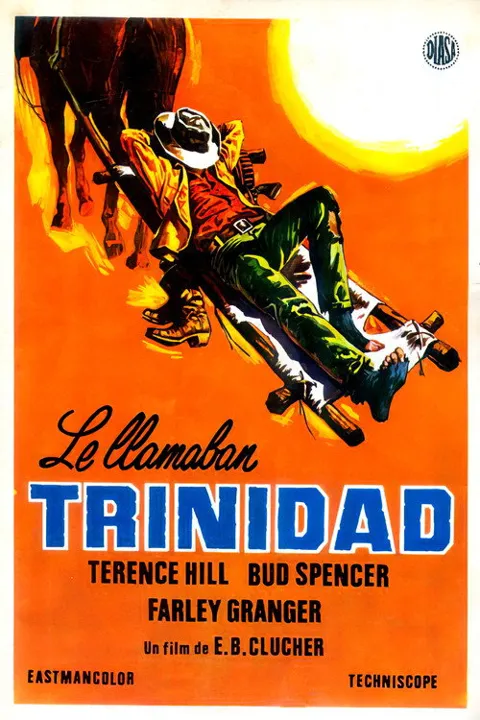
They Call Me Trinity
| Director | Enzo Barboni |
| Writer | Enzo Barboni, Gene Luotto |
| Cinematography | Aldo Giordani |
| Music | Franco Micalizzi |
| Cast | Terence Hill, Bud Spencer, Steffen Zacharias, Dan Sturkie, Gisela Hahn |
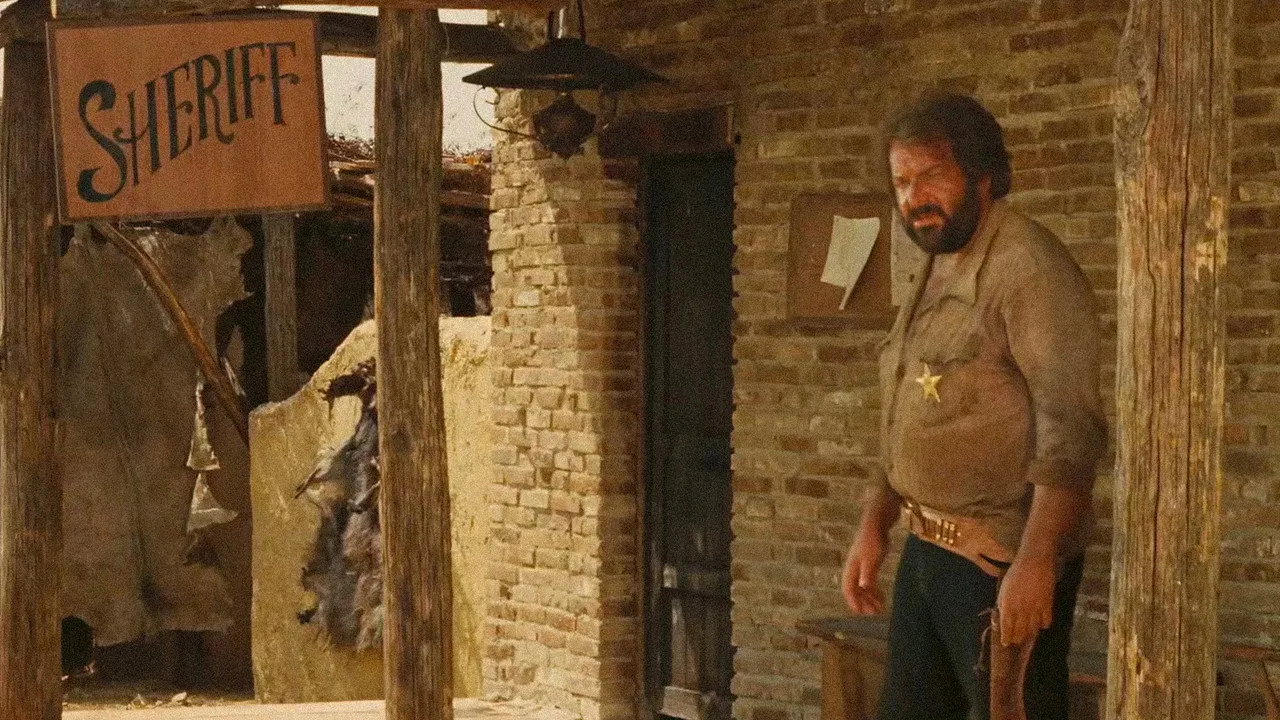
Trinity, a lazy, unbeatable gunslinger, arrives in a town where his half-brother Bambino poses as sheriff while waiting for his gang. Together they end up defending a Mormon settlement from Mexican bandits and the henchmen of land-grabbing Major Harriman.
| Copy | Complete · 113 of 115 min |
| Quality | HD |
| Version | Italian · With subtitles |
| Checked | 08/24/2026 |
Pros
- Hill and Spencer's finest vehicle, according to Howard Hughes's guide.
- It successfully blends comedy and spaghetti Western action.
- Hill and Spencer did their own stunts.
- Its main theme was later reused by Tarantino.
What the critics said
«first and best in the Trinity series of spaghetti Westerns, rare in that it is successful in combining laughter and some degree of interest in the action»
Time Out · Source ↗
On its place in the series.
«They Call Me Trinity is Hill and Spencer's finest vehicle»
Howard Hughes · Once Upon a Time in the Italian West · Source ↗
A reference guide to spaghetti Westerns.
Famous scenes
Terence Hill fasted for 24 hours to shoot the famous beans-eating scene in one take.
Gallery
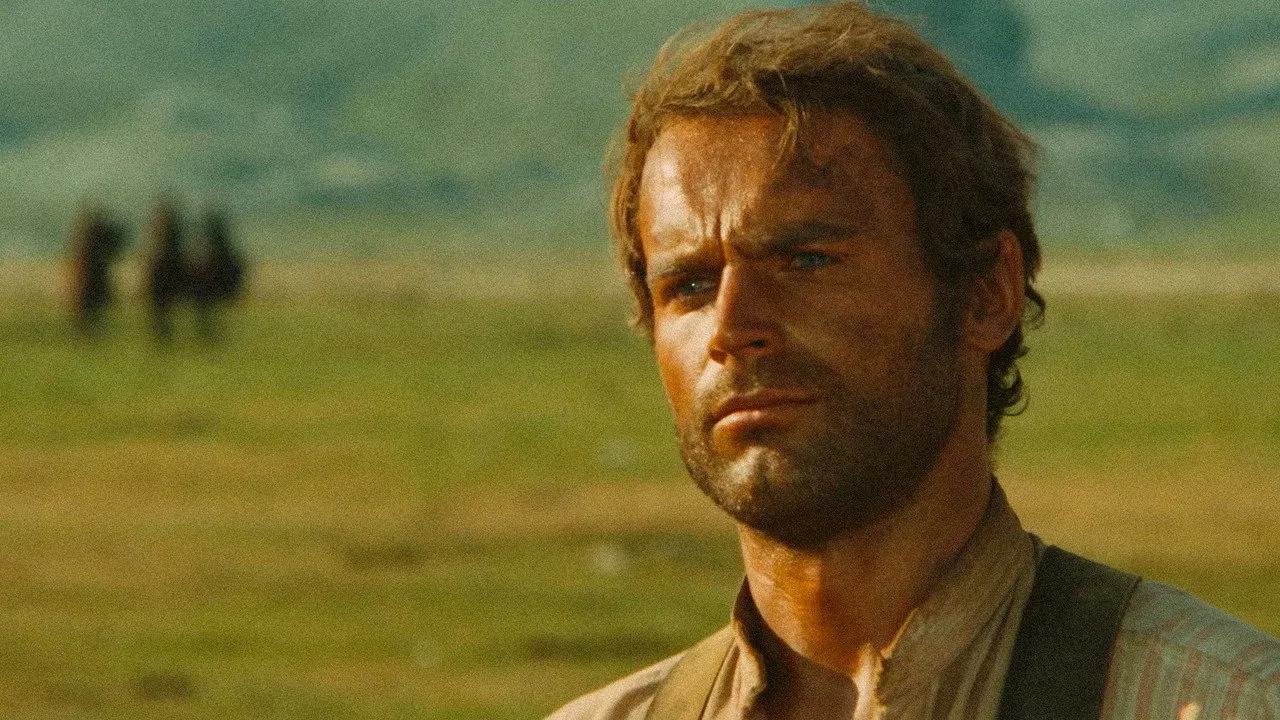
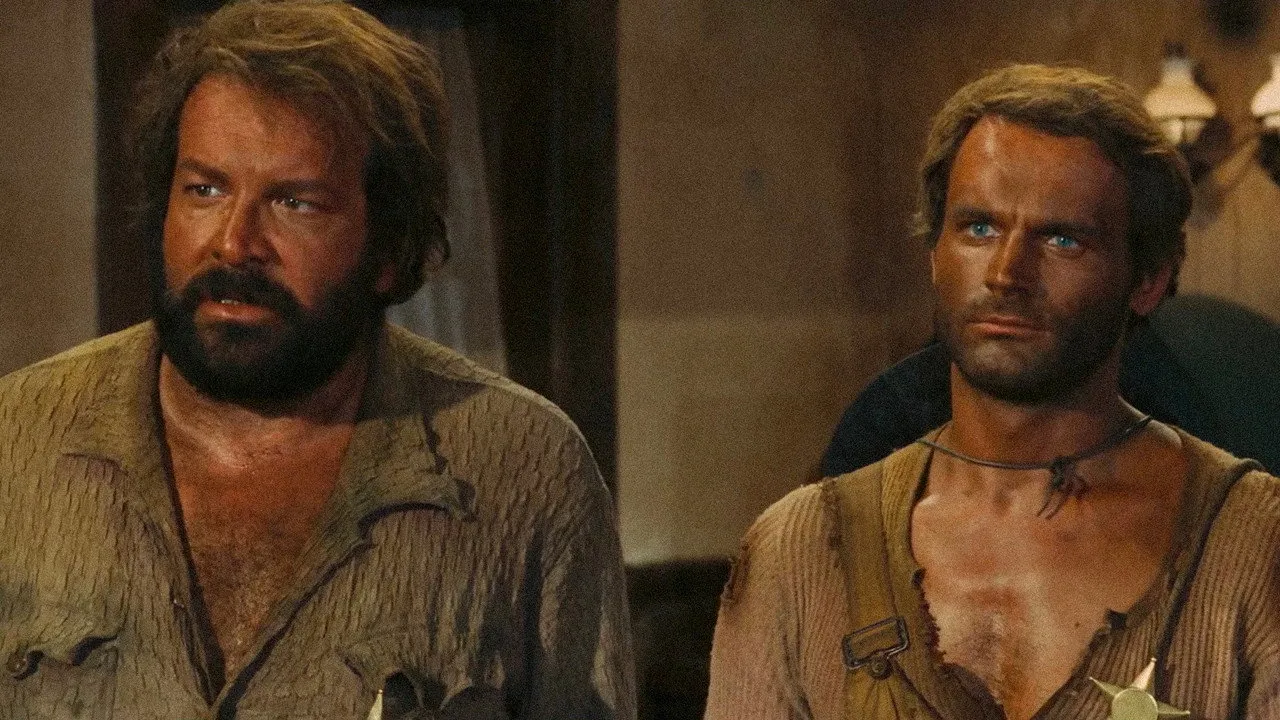
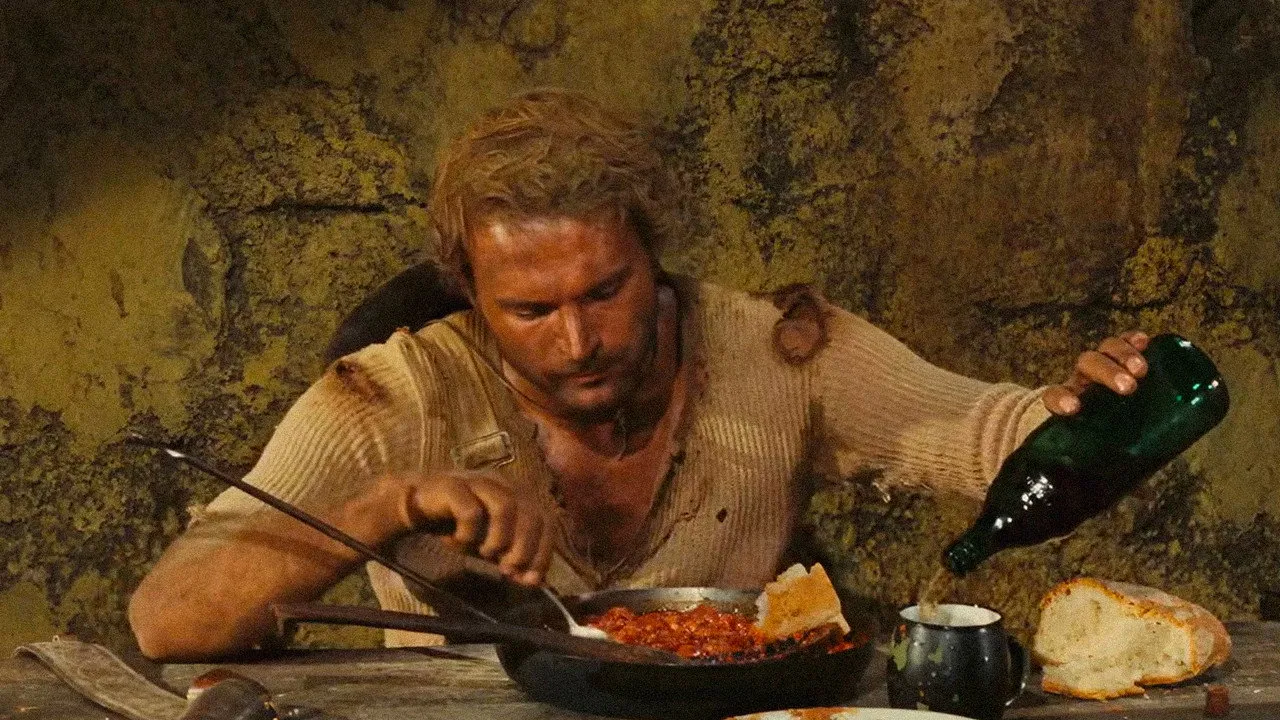
Stills: TMDb
True or false?
The original script already included Bambino.
Connections in the catalog
Technical details and shooting
| Image | Color |
| Languages | Italian |
| Shooting | Campo Imperatore (Abruzzo) and De Paolis Studios in Rome |
| Sequel | Trinity Is Still My Name, even more successful |
Wikipedia (EN) · Wikipedia (ES) · Wikidata · IMDb · TMDb
Analysis prepared with AI assistance from these sources. Quotes are checked word for word against the original text. How we build these pages →