
Theorem
| Director | Pier Paolo Pasolini |
| Writer | Pier Paolo Pasolini |
| Cinematography | Giuseppe Ruzzolini |
| Music | Ennio Morricone |
| Cast | Silvana Mangano, Terence Stamp, Massimo Girotti, Anne Wiazemsky, Laura Betti |
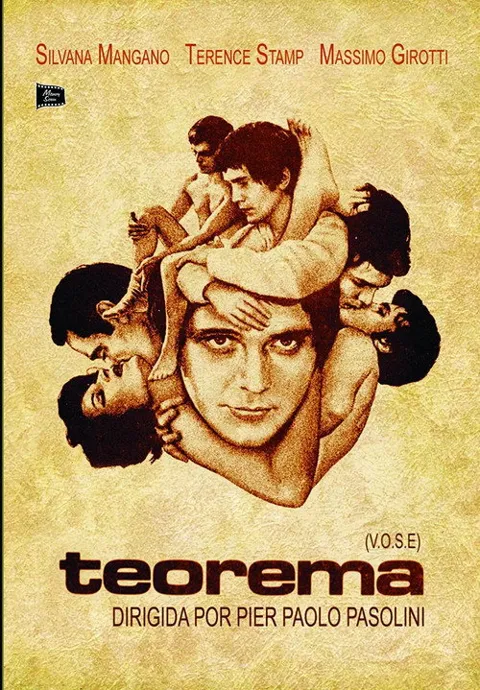
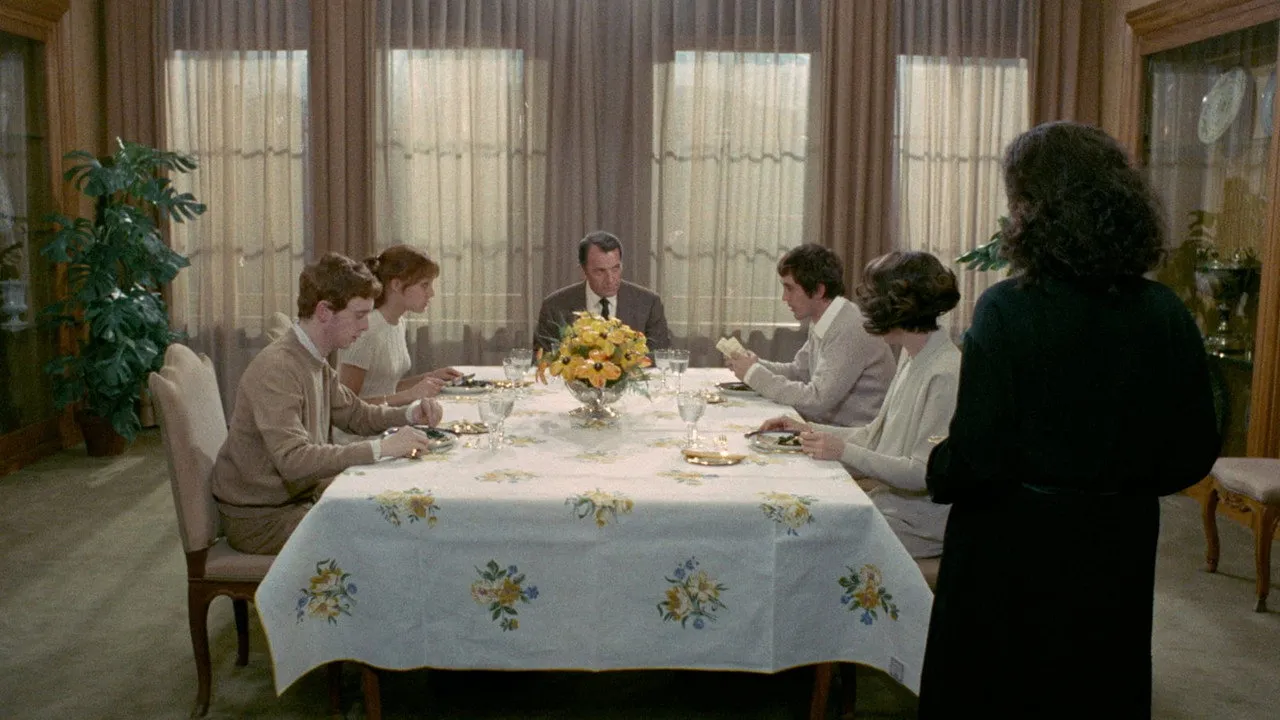
A mysterious visitor arrives at the home of a bourgeois Milanese family and becomes the lover of each of its members: the maid, the son, the mother, the daughter and the father. When he leaves as suddenly as he came, each must face what their comfortable lives concealed.
| Copy | Complete · 98 of 98 min |
| Quality | HD |
| Version | Italian · With subtitles |
| Checked | 08/24/2026 |
Pros
- Laura Betti won the Volpi Cup for Best Actress at Venice, where the film competed for the Golden Lion.
- 83% on Rotten Tomatoes; some critics found it visionary.
- Terence Stamp as the enigmatic Visitor, with Silvana Mangano and Massimo Girotti.
- Pasolini's first film with mainly professional actors; music by Ennio Morricone.
Cons
- The religious right and the Vatican criticised its sexual content, and Pasolini was tried for obscenity, though acquitted.
- Its ambiguous, allegorical nature makes it hard to interpret.
Famous scenes
An arm-flapping postman heralds the Visitor's arrival at the estate gates.
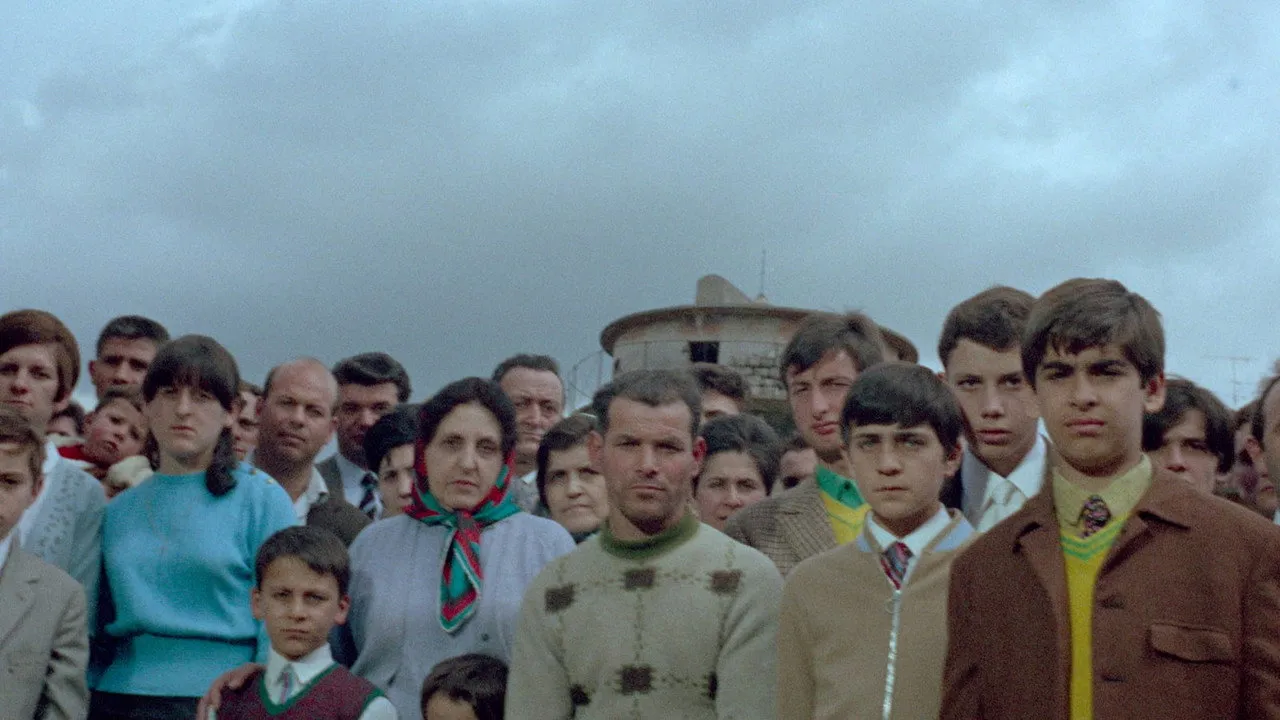
After the Visitor leaves, the maid returns to her village, lives on nettles and starts performing miracles.
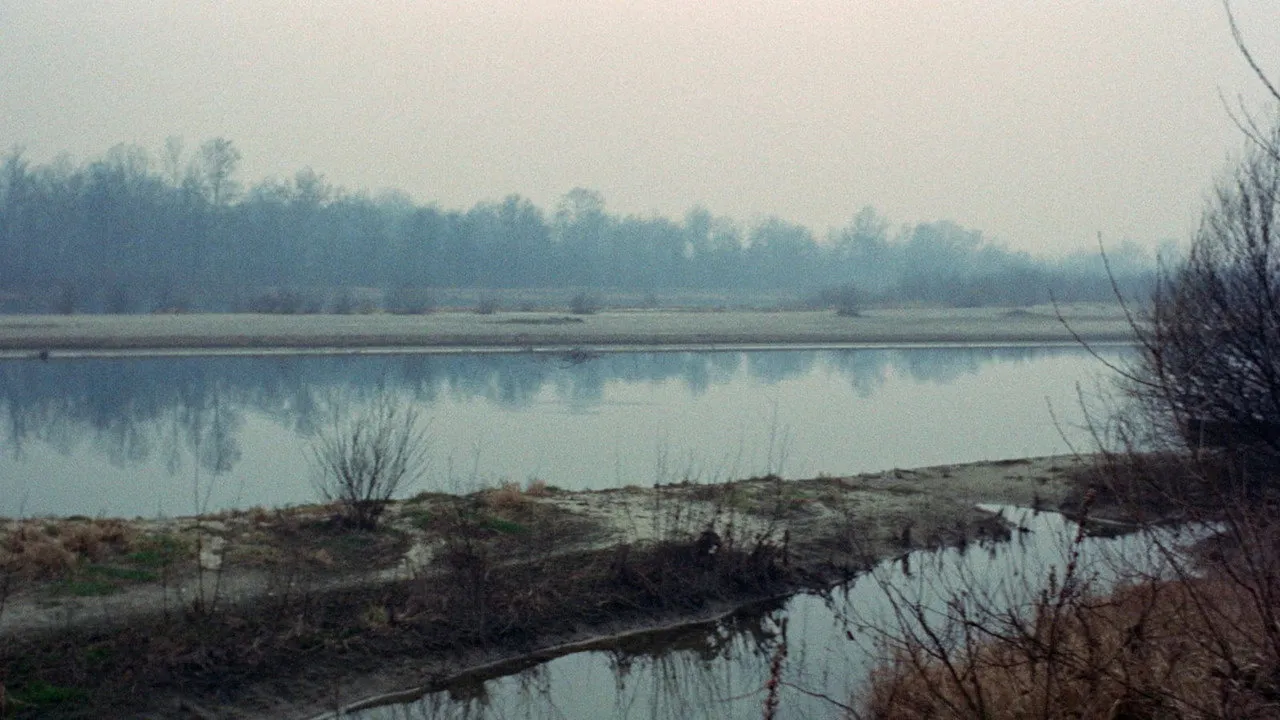
The father hands his factory to the workers, strips in a railway station and wanders the slopes of Etna.
Gallery
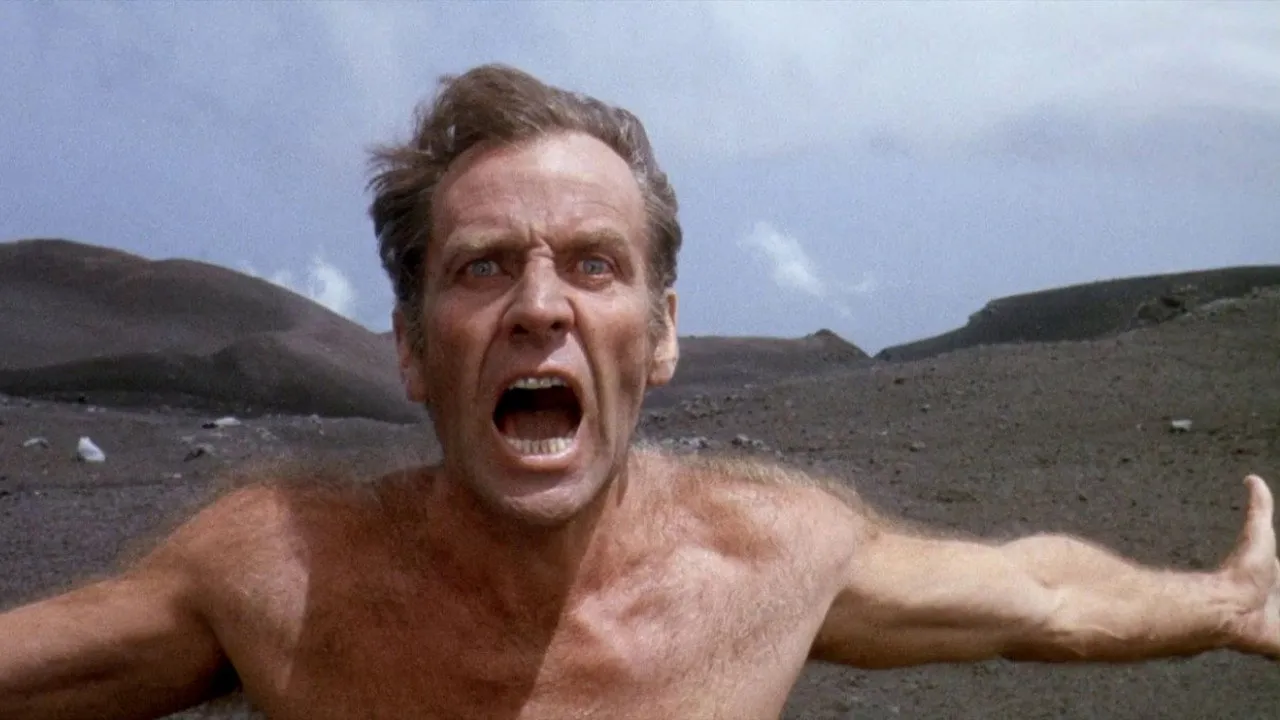
Stills: TMDb
True or false?
The International Catholic Film Office gave it an award at Venice.
Connections in the catalog
Awards
| Volpi Cup for Best Actress (Laura Betti), Venice Film Festival |
Technical details and shooting
| Image | Color |
| Languages | Italian |
| Shooting | Milan and, for the ending, the slopes of Mount Etna (Sicily) |
| Dubbing | In the Italian version, Pino Colizzi dubs Terence Stamp, uncredited |
| Music | Ennio Morricone |
Wikipedia (EN) · Wikipedia (ES) · Wikidata · IMDb · TMDb
Analysis prepared with AI assistance from these sources. Quotes are checked word for word against the original text. How we build these pages →