
Detour
| Director | Edgar G. Ulmer |
| Writer | Martin Goldsmith, Martin Mooney |
| Cinematography | Benjamin H. Kline |
| Music | Leo Erdody |
| Cast | Tom Neal, Ann Savage, Claudia Drake, Edmund MacDonald, Tim Ryan |
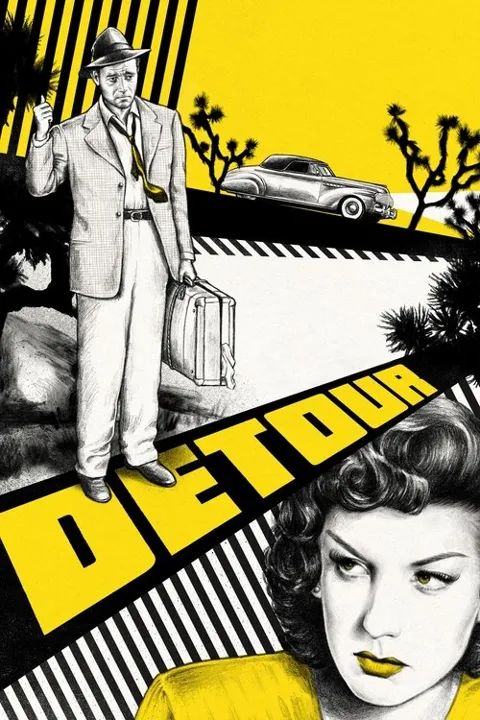
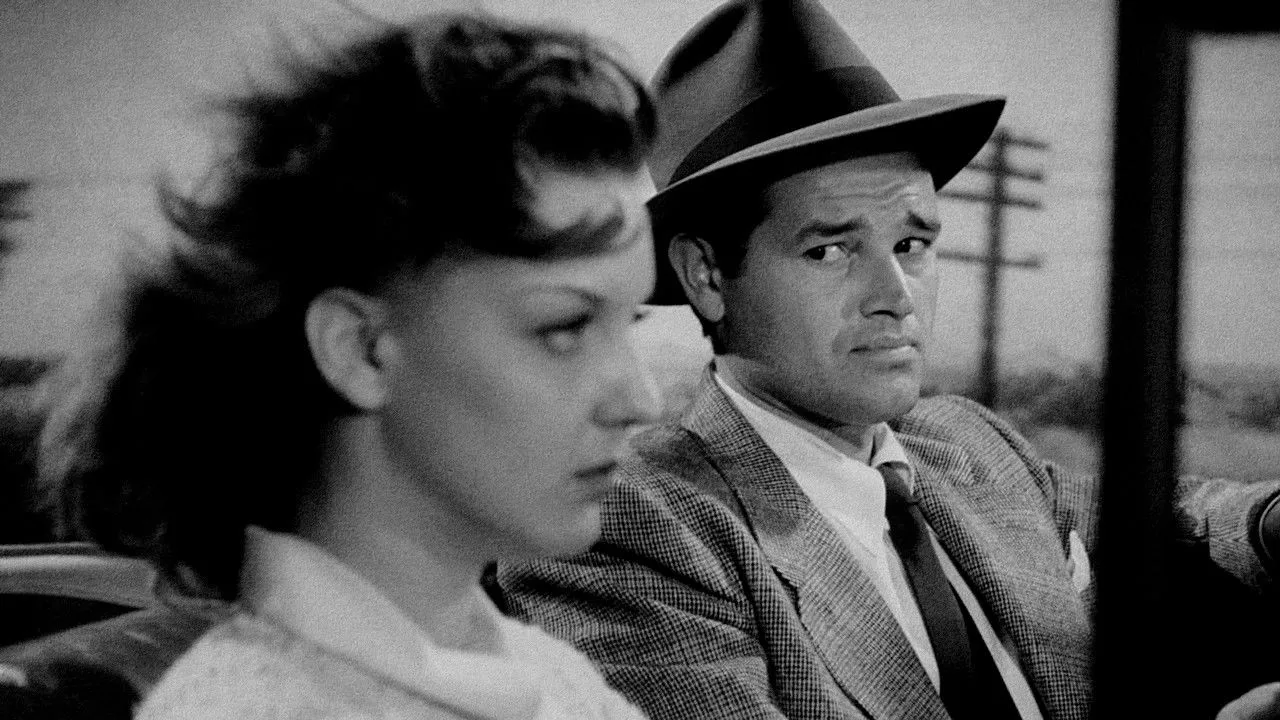
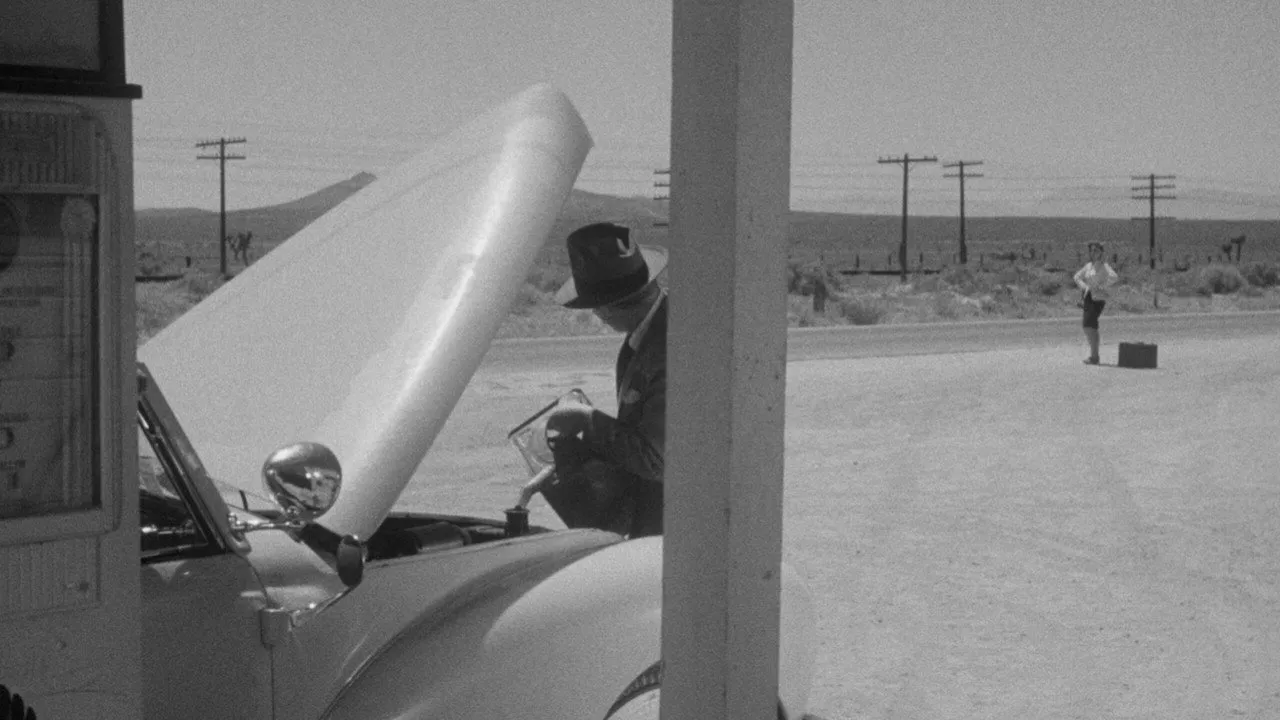
Al Roberts hitchhikes across the US to join his girlfriend. In Arizona he is picked up by Charles Haskell, who dies accidentally on the trip. Fearing he'll be accused, Al assumes his identity, until he picks up a hitchhiker named Vera.
| Copy | Complete · 68 of 66 min |
| Quality | SD |
| Version | English · No subtitles |
| Checked | 08/24/2026 |
Pros
- A prime example of film noir, made on a shoestring at a Poverty Row studio.
- An ending that makes no compromise with the happy-ending formula, with ironic and suspenseful moments.
- Restored in 4K by the Academy Film Archive in 2018.
- Preserved in the National Film Registry since 1992.
Cons
- On release some reviews saw it as merely a modest production.
What the critics said
«an adroit, albeit unpretentious production about a man who stumbles into a series of circumstances which seals his doom»
Mandel Herbstman · Motion Picture Herald, 1945 · Source ↗
He praised its uncompromising ending.
Famous quotes
«That's life. Whichever way you turn, Fate sticks out a foot to trip you.»
Al Roberts · PlayPhrase ↗ · QuoDB ↗
«Yes. Fate, or some mysterious force, can put the finger on you or me for no good reason at all.»
Al Roberts · PlayPhrase ↗ · QuoDB ↗
«What kind of dames thumb rides? Sunday School teachers?»
Al Roberts · PlayPhrase ↗ · QuoDB ↗
Quotes: Wikiquote (CC BY-SA)
Gallery
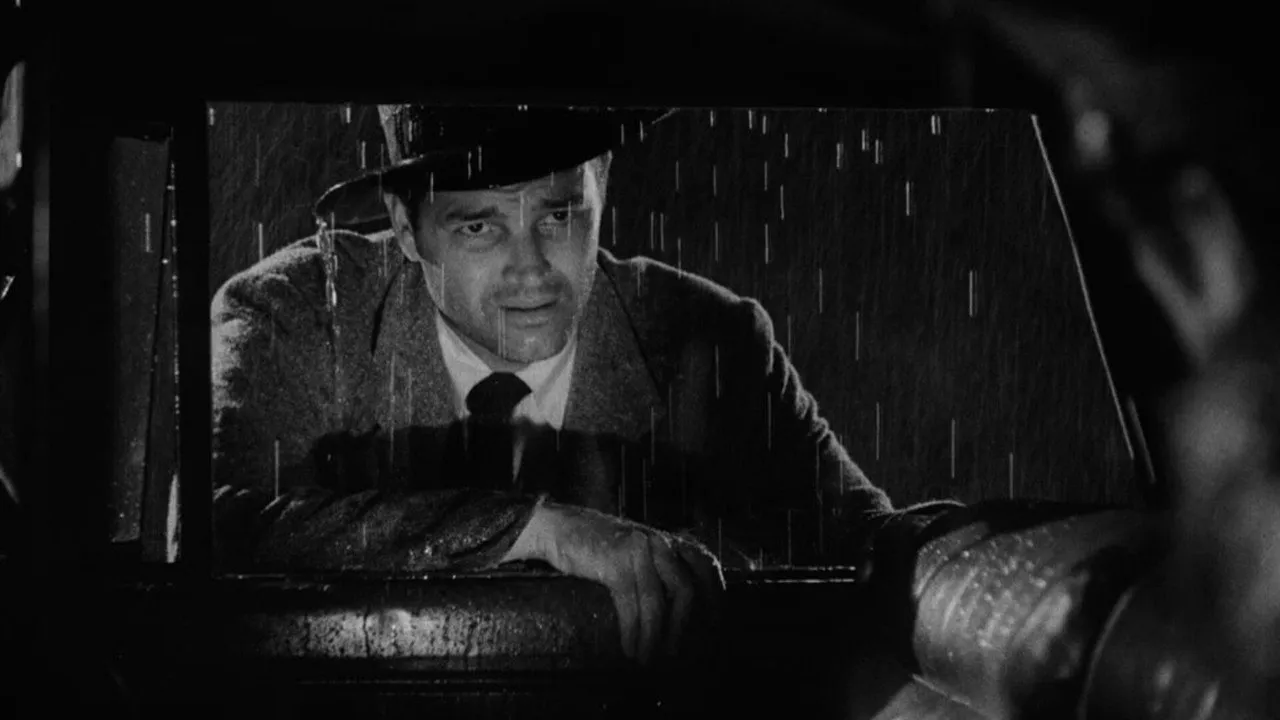
Stills: TMDb
True or false?
Detour is in the public domain.
Connections in the catalog
Technical details and shooting
| Image | Black and white |
| Languages | English |
| Studio | Producers Releasing Corporation (Poverty Row) |
| Preservation | National Film Registry (1992) |
Script and source material
| Based on | Detour, novel by Martin Goldsmith (1939) |
Wikipedia (EN) · Wikipedia (ES) · Wikiquote · Wikidata · IMDb · TMDb
Analysis prepared with AI assistance from these sources. Quotes are checked word for word against the original text. How we build these pages →